Sleep Sounds for Better Sleep
White noise, rain, and ambient sound can mask disruptive noises and help you fall asleep faster. Here’s how they work and which to choose.
What Is Sleep Sound?
Sleep sound is any ambient audio used to improve sleep. It includes white noise, pink noise, brown noise, rain, ocean waves, and ASMR. The goal is to mask environmental sounds (traffic, neighbors, snoring) that otherwise wake you or keep you from falling asleep.
Research shows that consistent background sound can reduce sleep latency and improve sleep quality. The mechanism is sound masking: raising the background noise floor so sudden sounds are less noticeable. Unlike earplugs, which block sound entirely, sleep sounds work by giving your brain something predictable to focus on instead of random environmental noise.
Sleep sounds are not a treatment for insomnia, sleep apnea, or other clinical sleep disorders. Persistent difficulty falling asleep or staying asleep despite environmental adjustments should be evaluated by a healthcare provider. Sound masking addresses noise disruption, not the underlying causes of poor sleep.
White Noise vs Pink Noise vs Brown Noise
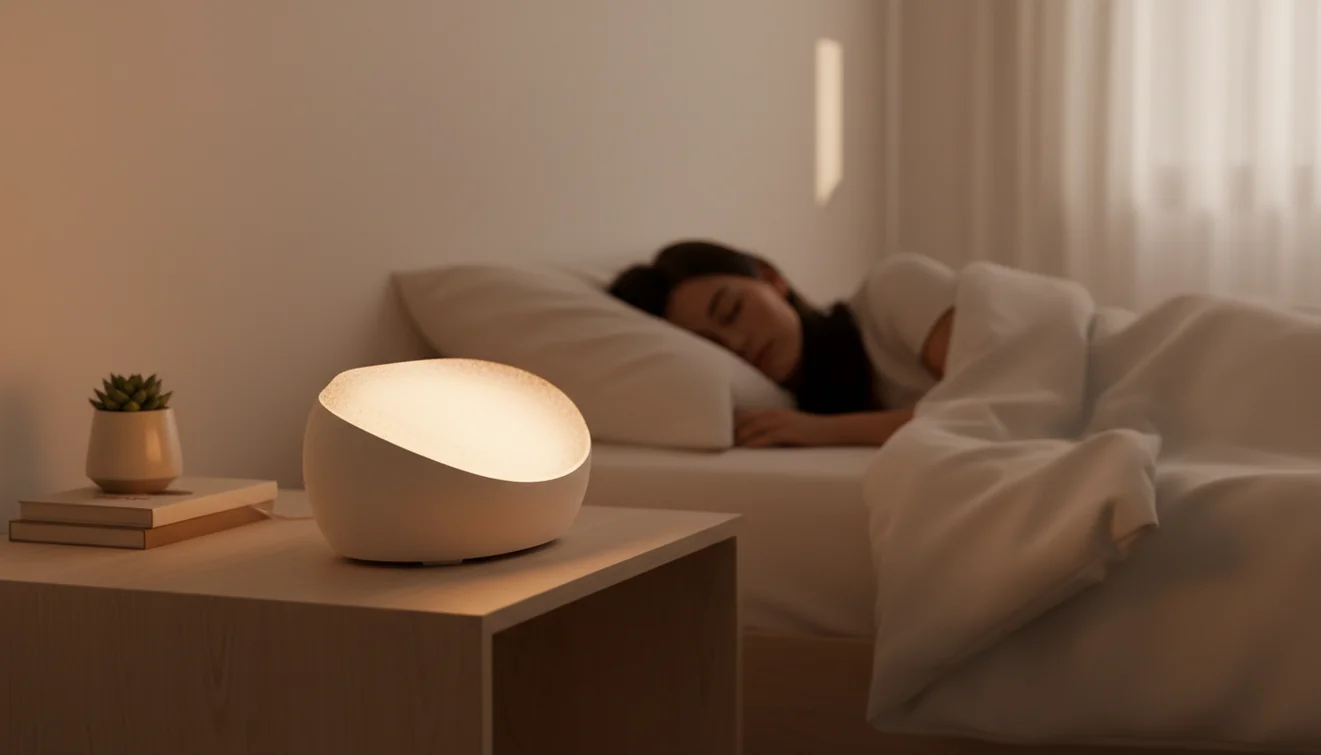
White noise has equal energy across all frequencies. It sounds like static or a fan. It’s effective but can feel harsh for some. Pink noise emphasizes lower frequencies; it sounds warmer and more like rain or gentle wind. Many users find pink noise easier to sleep with for long stretches.
Brown noise goes even lower. It is deeper and rumbly, like a waterfall or strong wind. People who find white noise too sharp often prefer brown. There’s no universal “best”; it’s personal. Try each for a few nights and see what your brain settles into.
Rain Sounds and Nature Sounds
Rain sounds are predictable and non-threatening. They mask well because they’re broadband but not jarring. Thunder in the distance adds a low rumble without feeling alarming. Ocean waves work similarly: rhythmic, repetitive, soothing.
Forest ambience or gentle streams can help if you’re sensitive to mechanical sounds. The key is consistency. Avoid tracks with sudden bird calls or loud drops; those can disrupt light sleep. Users report the best luck with light rain or gentle rain on a roof.
ASMR and Sleep
ASMR (autonomous sensory meridian response) can trigger tingling or relaxation in some people. Whispered speech, tapping, crinkling, or brushing sounds are common triggers. For sleep, it’s hit-or-miss. Some people fall asleep quickly; others find it too engaging.
If you use ASMR for sleep, choose longer, quieter sessions without sudden volume changes. Avoid videos with talking or storylines; pure ambient ASMR is less distracting. If you’re trying to understand your sleep patterns, pairing ASMR with sleep cycle awareness can help.
How Sound Masking Works
Sound masking raises the background noise level so that sudden sounds(a door slam, a car horn)don’t stand out as much. Your brain filters them out instead of treating them as wake-up signals. The masking sound should be steady and relatively uniform.
Volume matters. Too loud and you risk disrupting sleep architecture; too quiet and it won’t mask. Aim for 45–55 dB, about conversational level. If you wake up with a headache or ear fatigue, turn it down.
Which Sounds for Which Sleep Issues
For falling asleep: pink noise or light rain often work well. For staying asleep: consistent brown or white noise can mask more effectively. For tinnitus: broadband noise (pink, brown, nature) helps; avoid pure tones.
If you share a bed with a snorer, rain or heavy brown noise can mask it. For shift workers or noisy neighborhoods, white or pink noise can be more effective. For anxiety or racing thoughts, gentle ambient or nature sounds may help more than harsh static. Experiment over a week. Your brain adapts, and what works on night one might work even better by night five.
Sleep Sounds App
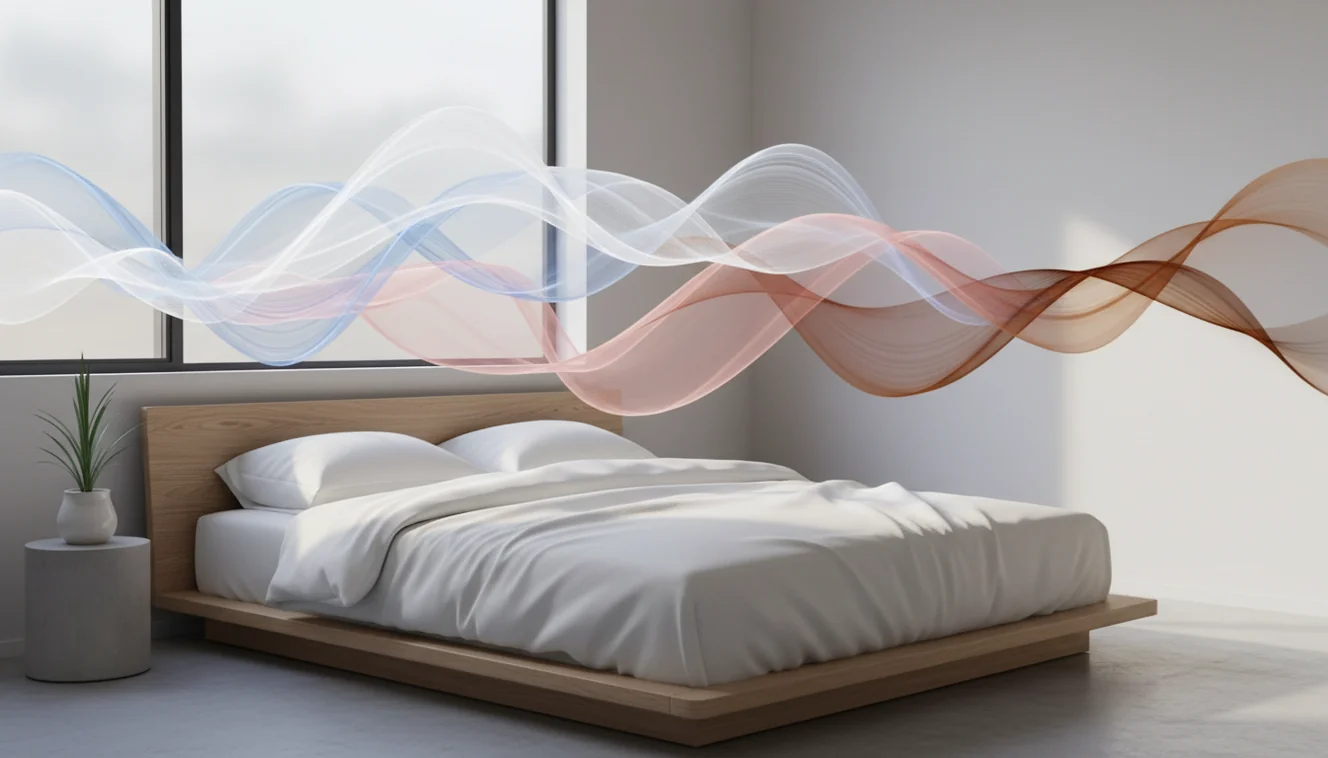
Many alarm apps combine sleep sounds with wake-up features. You can set a rain or white-noise track to play while you sleep, then switch to a loud alarm when it’s time to wake. For heavy sleepers or those who struggle with early waking, a dedicated alarm app with mission-based alarms is more reliable than a simple timer.
Alarmy offers loud alarms and sleep sounds, so you can wind down with ambient noise and wake up reliably. For more tips on waking up, see our guides on best alarm sounds and morning routine tips.
Related Guides
Frequently Asked Questions
Sleep sounds are ambient audio (white noise, pink noise, rain, ocean, or ASMR) used to mask disruptive noises and help you fall asleep or stay asleep.
Pink noise is often preferred for sleep because it has more bass and sounds softer than white noise. Both mask environmental sounds effectively.
Keep sleep sounds between 45–55 dB, roughly conversational level. Louder can disrupt sleep architecture; quieter may not mask enough.
Yes. Rain sounds provide consistent, non-threatening ambient noise that masks sudden sounds and can induce relaxation through association.
Brown noise has more low-frequency energy than pink or white noise. It sounds deeper and rumbly, like a waterfall or strong wind.
Whispered speech, tapping, and crinkling sounds can induce relaxation and help some people fall asleep by triggering the ASMR response. Individual sensitivity varies; those who find it distracting may prefer pink noise or rain sounds instead.
Sound masking uses steady or predictable ambient sound to raise the background noise floor, making sudden noises less jarring and less likely to wake you.
Pink noise, brown noise, and nature sounds can mask tinnitus. Avoid pure tones; broadband noise works best.
Playing sleep sounds all night is safe and can help maintain consistent masking of environmental noise. Use a sleep timer if preferred, but continuous play does not disrupt sleep architecture when kept at 45-55 dB.
An alarm clock app with sleep sounds combines bedtime audio with morning alarms in one interface. Alarmy offers rain sounds, white noise, and ASMR for falling asleep alongside loud alarm features for waking up.
White noise machines set below 50 dB and placed at least 200 cm from the crib are considered safe for infant sleep. The American Academy of Pediatrics recommends keeping nursery sound levels moderate.